| Show details | |
|---|---|
| Day | Friday |
| Times | 18:00 - 22:00 |
| How often ? | Monthly |
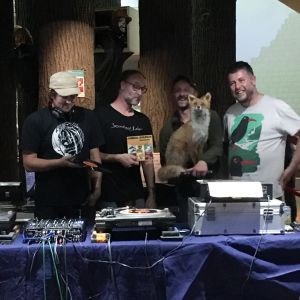
The Wildlife Discotheque comprises of...
The term "discotheque" (originally spelled discothèque in French) literally translates to "record library." It is derived from the combining of two Greek roots: diskos (meaning disc or phonograph record) and theke (meaning case, box, or collection—the same root found in bibliothèque, the French word for library).
These recordings had been gathered over many years from the overgrown, neglected and wilder corners of local charity shops, record fairs, and car boot sales. The discs plot a crackly history of nature sound and the pioneers who spent hours in the field with cumbersome gear and an ear for sound and song.
For these latest excursions the palette is broadened to include more 'out there' vinyl, so you might hear modern classical, scandinavian experimental, Nordic Soundart, electroacoustic explorations and more.
Just don't necessarily expect to be able to dance to any of it...
Alongside these, many lesser known names and releases too. There are Myles North’s recordings on the “Witherby’s Sound Guide to British Birds”. Lawrence Shove’s delightful recordings for the Shell Nature Record series, many from the Wildlife Disco’s home county of Devon. On Ray Goodwin’s “A Gloucestershire Wildlife Tapestry” there’s the sounds of dung beetles flying in cow pats and Roman snails eating lettuce. On “British Wild Mammals and Amphibians” there are screaming rabbits, whining squirrels and whistling otters.
Then there are the fish records with grunting Pollack and aggressive Haddock ... and the parakeet training records ... and Sparkie Williams the champion talking budgie. And Johnny Morris. On the night, these were accompanied by a selection of vinyl marginalia carefully selected to sound good amongst the hedgerows, woodlands, fields, shores, and oceans.
